Belgium, the movie…

15 Aug

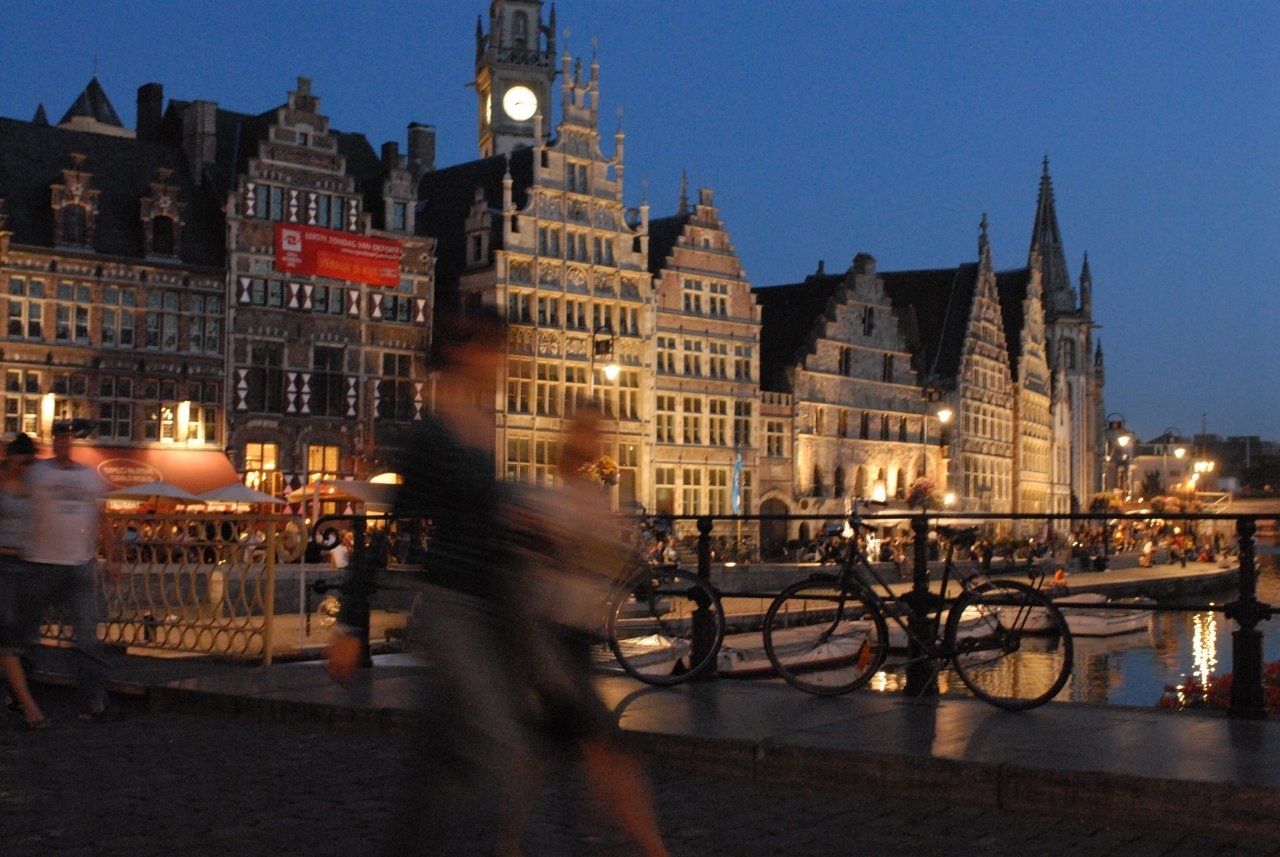
While the scale tips in favor of America, there’s certainly lots of things I miss about Belgium. I grew up in this diverse country and called it my home for 29 years…

The movie is narrated in English and it is such a beautiful documentary about all things Belgium. I just had to share it…

Belgium, the movie!
Click the title above, sit back and relax.

20130815-232246.jpg

Creamy Herbed Pea Soup

15 Aug

Ask my mother what my favorite vegetable is, and she’ll loudly proclaim: ‘SWEET PEAS!’. Well, she’d actually say ‘zveet peez!’, what with her having learned English by watching subtitled episodes of ‘The Golden Girls’ and all. (On a side note: they eat surprising few peas those golden girls!).
I’ve been in love with crisp fresh English peas for decades. Seeing them happily clinging together in their tiny pods, reminds me of lazy Summer weekends hanging out on the porch and sipping ice cold tea with your best girl friends. I know it’s a stretch, but stay with me…

With pea season arriving right around the time the winter chill leaves the early morning air, there’s nothing that stops me from planting my pajama-clad ‘derriere’ in one of our floral cabana patio chairs, armed with a mug of coffee and a bowl of fresh English peas for hulling. With the canopy of a big fat loquat tree shading our patio, I usually get the company of a few humming birds whizzing about and/or house finches, chirping loudly over who gets to perch on the top tier of our birdfeeder. These kind of lazy Sunday mornings are my favorite. The ‘house men’ are night owls and tend to sleep in late, so I have our cozy apartment all to myself, with the cats snoozing in the morning sun somewhere inconvenient or doing their cute feline chit-chattering thing to the birds in front of the open window, secretly plotting for you to break a leg as you try to avoid stepping on them when you walk back inside with a bowl of hulled peas.

I like hulling peas. Seeing them bounce around on the bottom of the bowl as they come cascading in with the help of my thumb, I can’t help but think it must feel like a roller-coaster ride to them… I’ve always had a vivid imagination. It doesn’t help much that my office cubicle overlooks the take-off & landing strips of Los Angeles International airport, and I occasionally find myself day-dreaming about being sprawled out in a polka dot bikini on an exotic white sand beach with coconut palms swaying back & forth… That is, until the roaring engine of Air Tahiti Nui’s flight #85 approaches and thunders by my 6th floor office window, which usually sets off an overly sensitive car alarm or two. I’m instantly reminded that Century Blvd isn’t even remotely near Tahiti, and if I dare squeeze my curves into a tiny polka dot bikini, I’d risk getting a ticket for bringing the human form into disrepute. But we were talking about peas… See what I mean with vivid imagination?! Sheesh.

Last Spring, I came home with a 5 lbs bag of fresh English peas from the farmers market. We pretty much ate pea-anything that week. It was as if we were on a 7-day pea cleansing program, which I’m sure exists somewhere here, in Beverly Hills or so. Among many other green adventures, I made the Summer soup below. It’s served cold, like gazpacho, and it’s such a refreshing dish on a hot Summer day, but if you like, you could eat it warm too… Aren’t peas just awesome?!

20130815-182319.jpg

CREAMY HERBED PEA SOUP
(A Hungry Belgian original)
– 1 large shallot, diced
– 1-2 Tbsp of grapeseed oil (or light olive oil)
– 2 3/4 cups of chicken broth
– 1/4 cup of Pinot Grigio (or other crisp white wine)
– 1.5 lbs of fresh peas (or equal amount of frozen peas)
– 1/3 cup of heavy cream
– 1 Tbsp of fresh mint, chopped very finely
– 1 tsp of fresh tarragon, chopped very finely
– 2 Tbsp of fresh parsley, chopped finely
– 1 Tbsp of fresh chives, chopped finely
– zest of 1 small lemon
– salt & pepper, to taste
– crème fraiche, for garnish
– 1/2 leek, thinly sliced, for garnish (optional)

In a sauce pan, add oil and sauté shallots over medium heat until softened, but not browned! Add broth, wine and peas, and simmer until peas are mostly tender but still bright green. Remove from heat and add lemon zest. In a blender, or with a hand-mixer, blend the soup so it’s smooth and lump-free. It should be a fairly thick but liquid consistency. Pour blended mixture into a bowl and set in iced cold water to cool the soup quickly and retain its bright green color. (Make sure the ice water won’t pour into your soup!)

When soup feels cool enough to the touch, add cream & herbs. Season with salt & pepper to taste, and serve in bowls. Swirl a dollop of crème fraiche through it and sprinkle with a few of the shavings of leek, for garnish.

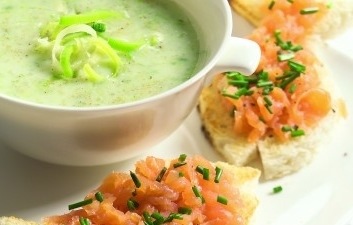
Pairs really nice with smoked salmon toast or cold shrimp. Yum!

Wine Braised Cabbage with Plums & Bacon

14 Aug

The other day, I discovered a smoked turkey sausage in the back of my fridge. With ‘it’ being far removed from my much more popular non-processed food corner, I didn’t even catch its presence until famine set in and I nosied around in the fridge for a quick dinner idea, or shall we say, in a desperate attempt to save myself a trip to the grocery store. And there it was. Sitting proudly in the ‘man corner’ of the fridge, right next to the hot dogs and beer. I’m usually pretty good with keeping a detailed inventory of our fridge’s contents in the back of my mind, you know, in that special lobe that keeps track of all practical things, but that darn sausage snuck up on me. I’m not ‘big’ on things that have an unnatural and/or freakishly long shelf life, but with our finances seriously strapped these days, a sale on $5.00 smoked sausage goes a long way…

Just like Velveeta, I believe there’s a place for kielbasa in this world as well. However, when I bought that sausage, I must have not been entirely sure where exactly that place was. Come to think of if, this is probably why it ended up on the ‘man shelf’ in our fridge in the first place. Then, as per divine intervention, I remembered: ‘Rookworst met rode kool’! Braised red cabbage and sausage is not only popular in Belgium, but in Holland as well. Although our northern neighbor traditionally opts for braised kale or ‘boerekool’, rather than red cabbage. Either way, braised cabbage is everywhere in the lower lands and many a Flemish child grows up on that stuff.

With my flavor palette a bit more refined these days, I fancified my vocabulary this cabbage a little bit. Rather than braising it traditionally with just bits of apple and vinegar, I opted for a more flavorful combination of red wine, dried plums and bacon.

20130814-120306.jpg

WINE BRAISED CABBAGE WITH PLUMS & BACON
(A “Hungry Belgian” original…)
– 1 small head of red cabbage, shredded thinly or chopped finely (+/- 1.5 lbs shredded)
– 2/3 cup of good quality red wine + more for soaking (*)
– 2-3 shallots, chopped into small dice (or 1 medium size red onion)
– 10-12 dried plums, slivered
– 2 small pears, peeled, cored & diced
– 2 sticks of cinnamon
– 2 cloves
– 1 laurel leaf
– 4-5 slices of thick cut bacon, sliced into small slivers
– salt & pepper, to taste
(*) The age-old adage is: if you don’t like the wine for drinking, don’t cook with it either!

Soak plums in a bit of red wine to soften them. Place a large heavy pot or Dutch oven over high heat and brown the bacon until crisp. Remove from pot and set aside.

In the bacon fat, brown shallots until translucent. Then add shredded cabbage with wine, pears, spices and salt & pepper to taste, and fold so everything is well combined. Cover the pot and braise over medium-low heat for approx. 45 min until cabbage is soft. Add plums, and simmer 10-15 min more to allow most of the liquid to evaporate. Remove cinnamon, laurel leaf and cloves, and add bacon bits back in.

Serve braised cabbage alongside your preferred choice of crisp browned sausage links.

Fig Tartlets with Goat Cheese & Honey

13 Aug

Ah… Fresh figs!

20130813-083918.jpg

I love everything about fresh figs, really. The sweet stickiness that lingers on your lips, the earthy smell, the bright red flesh that offsets the crisp green or deep dark purple of the skin, the plump texture with just the right amount of crunch form the tiny seeds… I even like the shape of the bright green leaves and the knottiness of the tree branches. Let it be known that if I were to reincarnate as a tree, I’d like to come back as a fig tree.

Mom must have loved figs too, because I remember us bringing back a few saplings during one of our vacations in the South of France. Mom carefully nursed them on our dining room window sill, where the afternoon sunlight would caress their tiny organic bodies and would cause their little leaves to quiver from the warmth. The next Spring, we planted two of them in the backyard, in a post-winter ritual involving partially decomposed dog doodoo and a rusty shovel (with possibly some canned banana shoved in the hollow handle) (*). We didn’t hold much hope for the saplings’ survival of the first brutal Belgian winter that would be nipping at their fragile roots come November, nor did we expect for them to thrive in our cold, wet climate. Despite all odds being stacked against them, these little knotty fig trees have grown to reach the edge of my mom’s single level’s rooftop over the years. Overwhelmed by the amount of fruit they’d produce every late Summer thru early Fall, we couldn’t keep up with the harvest and… well… let’s just say that the crows & squirrels of the ‘Jasmijnenlaan’ were well fed.
(*) For more intriguing story lines of ‘canned bananas’, please read my banana butter post here.

I realize that figs are expensive outside of Southern California. Lucky for me, however, I happen to live in a dry, sunny climate, similar to the Mediterranean where fig trees thrive. Even better is that ‘fig season’ actually comes in 2 installments… The first crop, named the ‘breba’ crop, grows from branches that sprouted the previous year and is the harvest that begins in late Spring. It’s a fairly short-lived season, usually with the last crops harvested around early Summer. The second & larger harvest, sprouting from this year’s branch growth, begins in mid-August and runs as late as October for some varieties. This means that, with a bit of clever pre-planned farmers market hopping, I can actually enjoy fresh figs with nary a hiccup through fall. Most of the figs around here are ‘Brown Turkey’ figs or ‘Black Mission’ figs, with the deep purple black mission fruit usually having a more intense fig flavor. Later in the summer, you see ‘Kadota’ figs and ‘Calimyrna’ figs. Kadota figs are used mostly for drying, but the bright green Calimyrna’s are excellent for eating raw as well. ‘Adriatic’ figs and striped tropical ‘Panachée’ figs are quite scarce over here, so if you see them, grab them.

If you’ve never eaten fresh figs before, don’t be alarmed. When ripe, there are few fruits that compare to their sweet juiciness and I know you’ll love them too. Simply rinse the whole fruit, trim the stems back a bit and sink your teeth in like you would a strawberry. On the other hand, fresh figs are a treat when roasted in the oven with some goat cheese or chopped in salads, or you can bake them into a sweet or savory tart like I did below.

20130813-084345.jpg

FRESH FIG TARTLETS WITH GOAT CHEESE & HONEY
– 4 pieces of puff pastry, sliced into 6-7 inch rounds (or squares)
– 5-6 oz of soft, mild goat cheese (or if you don’t like goat cheese, use ricotta)
– 2 Tbsp of fresh oregano, chopped
– 1 tsp of lemon zest
– 6 fresh figs, sliced fairly thinly (like you would a lemon)
– Honey, for drizzling
– Salt & pepper

Preheat oven to 350F.

Line a baking sheet with parchment paper and place 4 puff pastry rounds on top, spaced approx. 1.5-inch apart. In small bowl, soften goat cheese with some salt & pepper to taste, and the lemon zest. Divide goat cheese mixture evenly over the center of the puff pastry rounds, making sure to leave approx. 1 inch of the edges clear. Sprinkle chopped fresh oregano over the goat cheese.

Place fresh fig slices over the goat cheese to more or less cover. Fold the edges of the pastry over themselves just a little bit, so you get a bit of a thicker edge on the outside.

Bake the tartlets in the oven for approx. 15 min until the edges are puffed and the center looks caramelized and somewhat gooey. Drizzle some honey over the top and serve warm.

Belgian Endive Salad with Blue Cheese & Walnuts

12 Aug

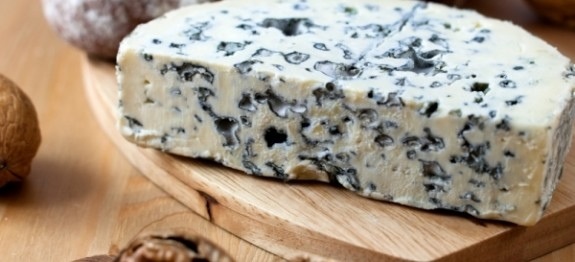
A few weeks ago, I wrote a tidbit about crunchy & faintly bitter ‘witlof’ in a post featuring a delicious Summer red beet, apple & fennel slaw. Authentic ivory-colored Belgian endive tends to be expensive over here, but you can find the red variety in California fairly easily and at a much lower cost. In order for the leaves of ‘witlof’ to stay a pearly white, it needs to be grown and tended to in a dark, cool & temperature-controlled environment. With this wisdom uncovered, I’ve always been baffled as to why the USA seemingly can’t reproduce this elegant chicory variant, so a few years ago, I set out on a ‘witlof’ mission… Inspired by this beauty, which makes my Belgian heart pine for witlof each and every time:

20130812-114414.jpg
(Photo courtesy ‘Roquefort Cheese Co’)

Back then, my local ‘Henry’s produce & farmers market’ was kind enough to aide me in my quest to understand witlof pricing in the US, and summoned their Regional Purchasing Manager to explain a few chicory facts to me. As luck may have it, Mr. Roden happened to in town that morning, and showed up clasping a leather-bound file folder tightly in his arm pit, whilst gently cradling a white and a red chicory root in the palm of his aging hands. “The ‘real’ Belgian endive”, he says in a serious teacher tone of voice whilst holding up the all-ivory root, “has to be imported from Belgium”. He continues stating that it is usually packaged and shipped to the USA in 10 lbs boxes. Because the vegetables are exposed to sunlight during transport, it causes these tender delicate roots to develop their natural, greenish color. As a result, each box has to be unpacked upon arrival at the East Coast, with each individual root of ‘witlof’ needing to be stripped of its outer leaves by hand and subsequently repackaged to be distributed to the rest of the country. “All of this is very labor-intensive and thus costly”. I nod my head in agreement.

Another cost-factor”, he continues, “is that much of the endive grown in Belgium is grown artisanally by a method called ‘forcing’”. In Belgium, many farms that grow endive use this labor-intensive agriculture which involves replanting the chicory root by hand. That replanting process, called ‘forcing’, must take place in a darkened, temperature-controlled room. Twenty-one days after the roots are planted, employees then crouch down on hands & knees, scrape the dirt off the endive and harvest it. I look bewildered. He continues that after decades of seed trials and piddling around, the USA managed to grow a red variety hydroponically (i.e. in water), eliminating the need for workers to hand-wash the dirt off of the roots and eliminating much of the shipping- & import costs. Unfortunately, growing endive still involves a costly production process that is labor intensive.

I thank Mr. Roden for his time in sharing his knowledge with me, and sheepishly add that I’m from Belgium and miss being able to afford Belgian endive now that I live on this side of the Atlantic Ocean. He shakes my hand firmly and promises that the red variety virtually has no difference in taste, which prompts my confession that the pearly white roots simply hold nostalgic value to me. I think I inadvertently struck a chord in the somewhat stern older man, because on my way out of the store, the clerk I spoke with earlier, stopped me in my tracks and handed me a bag of ‘real’ Belgian endive, “courtesy of Mr. Roden”, she winks with a smile.

With its faint bitterness, witlof is a bit of an acquired taste. However, paired with the sweetness of a ripe apple and the creamy sharpness of a marbled blue cheese, this bitterness dissipates and melds beautifully with the other flavors introduced in the salad.

20130812-115257.jpg

BELGIAN ENDIVE SALAD WITH BLUE CHEESE AND WALNUTS
For the salad:
– 3 Belgian endives, washed and torn into individual leaves
– 1 sweet apple, peeled and sliced into thin wedges
– 4 oz of blue cheese, crumbled into chunks
– 1/3 cup of walnuts, roughly chopped

Peel & discard outer leaves of the endives. Remove inner leaves individually and arrange on a serving platter. Toss thinly sliced apple wedges over the endives and sprinkle crumbled blue cheese & chopped walnuts over the top. Drizzle dressing over the top.

For the dressing:
– ¼ cup of champagne vinegar
– ¾ cup of olive oil
– 2 tsp of Dijon mustard
– ½ tsp of fresh grated garlic
– 1 egg yolk, room temperature
– salt & pepper, to taste

In a non-reactive bowl, add vinegar, mustard, egg yolk & garlic and whisk until well-combined. Continue whisking and slowly pour in olive oil until the vinaigrette is emulsified. Season with salt & pepper to taste.

Cajun Pumpkin Soup

11 Aug

Fall is by far my favorite Season. There’s several things I like about Fall, but the biggest charm for me is that all vegetables that remind me of a stormy day in Belgium are in season: parsnips, pumpkins, rutabagas, turnips… And, you get to spice everything warmly because ‘t is the season. Sadly, Southern California has only two seasons. The difference between the two being that in Fall & Winter you may need to take a sweater with you, you know, for when the sun sets… what with temperatures dropping below 65F and all.

Every October, when the last residual heat of September slowly ebbs away, I’m excited to start feeling the crisp chill in the beach air and occasionally hear the sound of rain pounding my apartment’s roof. I confess that I didn’t like rain when I lived in Belgium. Rainy days would turn into soggy weeks, then into months, and eventually you’d start wondering if you should start building an ark and save yourself?! It’s only after several months of dry heat and blistering sun that I learned to appreciate a cool, wet day. Fall in Southern California is bliss. Day time temperatures remain a steady 60F-70F, and evenings get cool enough to cuddle with my beau and sip on spiced wine without risking a hot flash. An added bonus is that with 60F, we can still crack our windows open just a smidgen, and let the earthy smell of the damp beach sand & wet wooden boardwalk permeate our humble home.

It’s on these days that the soup below tastes fantastic. Decades ago, when my brother still lived in Amsterdam and mom & I would drive up for a weekend visit, he would frequently invite us for dinner at a restaurant called ‘The Louisiana Kitchen’, off of the Ceintuurbaan in the heart of the city. At the time, I was already thinking about relocating to the USA and eventually, my brother bought me the Cajun bistro’s cookbook as a parting gift. I’ve since adapted the recipe to my own preference, but the base recipe comes out of the book.

IMG_2401.JPG

CAJUN PUMPKIN SOUP
(Adapted from a recipe out of ‘The Louisiana Kitchen’ by Rob Van Berkum & Andre Numan)

– 8 cups of chicken broth
– 35 oz of cubed pumpkin
– 2.5 cups of good quality dry sherry
– 1.5 cups of heavy cream
– 3 large shallots, diced
– 3 ribs of celery, chopped
– 2 Tbsp of Cajun seasoning + more for the shrimp
– a pinch (or two) of cayenne pepper
– a cup of sliced or chopped mushrooms (any kind)
– 1 lbs of large scampi-size shrimp
– 5 slices of bacon, cooked & crumbled

Place a large soup pot on the stove over high heat. Add a splash of olive oil, and saute the chopped shallots & celery until translucent and starting to brown. Douse with sherry, and cook for a minute or so to burn off some of the alcohol. Add chicken broth and chopped pumpkin, and bring to a boil. Let simmer until pumpkin is soft and cooked through.

In the meantime, saute sliced mushrooms until browned and cooked through. Set aside.

Cook bacon, drain or pat dry and crumble. Set aside.
Shell & devein shrimp, toss in a bit of olive oil and grill in a 450F oven with a sprinkling of Cajun seasoning until done , approx 10 min.

When pumpkin is soft, blend the soup until smooth and velvety. Add cream, 2 Tbsp of Cajun seasoning, grilled shrimp, bacon and browned mushrooms and warm through in the soup. Season with salt & pepper, and add a pinch or two of cayenne pepper for a bit of heat.

Ladle in soup bowls, sprinkle with a bit of parsley and serve with corn bread.

Naughty & Nice Hot Pepper Jelly

9 Aug

My burning love for hot peppers, all pun intended, didn’t fully develop until I hit Californian soil and damn near scorched the skin off my upper lip with a habanero chile salsa, because “how hot can it be?!” , she said with an air of disbelief.

Right. Carry on…

Unlike many Southwest natives, I didn’t grow up with chiles. As a matter of national embarrassment, I don’t even recall ever having seen hot peppers in my Flemish grocery store? Then again, cooking with hot peppers was such an oddity in Belgium in the early 1990’s, that I may have unduly ignored peppers altogether. It’s a dark void in my memory, like that time where I lip-synced Duran Duran’s ‘Hungry like the wolf’ in my bathroom and got caught. Don’t ask. It’s too painful.

After all these years, I’m slowly but surely learning to navigate my way around the many varieties of spicy hot peppers. Occasionally, however, my inner-Sacagawea brazenly surfaces during farmer’s market strolls and I inadvertently end up destroying a Flemish taste bud or two, encouraged by this kind of peppery food porn:

20130809-193758.jpg

The idea of a hot pepper jam didn’t even occur to me until my colleague Alex channeled her inner-foodie and excitedly told me about ‘the best’ jam she’s ever eaten! She confessed she could smear it on just about everything… well, maybe not everything. Either way, we made a pact that I would try my hand at recreating her fantastic pepper jelly, if she became a follower on my blog. I’m totally cheap that way.

I know how to make jam as Belgians are big on canning and preserving sunshine, what with our 9 months of rain and all, so I accepted the challenge. This jelly turned out beautifully and so flavorful! And yes, I too will boldly smear this on anything that will hold its deliciousness…

20130809-232503.jpg

NAUGHTY & NICE HOT PEPPER JELLY
(Adapted from a recipe by ‘River Cottage Preserves’)
– 1.5 lbs of sweet peppers (red, yellow or orange), approx. 3-4 large
– 3 small scotch bonnet peppers or habanero peppers (*)
– 3 red jalapeno peppers (*)
– 1 medium size red onion
– 1 1/4 cup of apple cider vinegar
– 2.5 cups of white sugar
– 1/2 cup of dry white wine
– a pinch of red pepper flakes
– a small pinch of saffron
– 1.5 oz of fresh grated ginger
– zest of 2 lemons
– 1.5 oz powdered pectin
(*) you can use any combination of peppers you like. For a few pointers, check out my friend Debi’s blog over at Life Currents)

Chop sweet peppers in half, removing bitter white ribs and seeds. Slice into thin ribbons, then into small dice. Chop onion into very small dice as well. Peel and grate (or finely chop) the ginger.

Scratch whatever itch you may have on your face now, because you’re done touching your face for the next few minutes!

Chop hot peppers in half, remove white-ish ribs and seeds, and chop into very fine dice. Try not to breathe through your nose or touch any sensitive areas, as the capsicum in these babies will avenge you get to you.

In a heavy, non-reactive pan, place sweet & hot peppers, grated ginger and onions and pour apple cider vinegar & white wine over them. Sprinkle pepper flakes on top and slowly bring to a simmer.

When simmering, add saffron, lemon zest and sugar, and stir until sugar is dissolved. Bring to a rolling boil, then add pectin. Boil hard for 6 minutes to activate the pectin. Remove pan from heat and set aside for 20 minutes.

Ladle jam into small glass jars, and let cool… Or alternatively, for a longer shelf-life, process in a water bath or canning machine.

This jam will remain fresh in your fridge for approx. 1 month.

Spicy Caribbean Fish Stew

9 Aug

OK. So a Belgian-Caribbean connection may sound far-fetched, but if you think about it, it isn’t really all that bizarre. After all, being right next door Holland, we’re directly exposed to the culture of its territories overseas and the culinary melting pot that is Suriname and the Dutch Antilles.

Furthermore, I’ve been blessed to work in the travel industry for roughly 20 years now and have always been exposed to a broader world view in that capacity. My very first job was at the much coveted chain of adventure travel stores named ‘Joker Toerisme’, a company exuding a laid back REI-kinda atmosphere. To this day, ‘Joker Toerisme‘ holds fast to its deep-rooted values of promoting sustainable travel with the utmost respect for local culture & customs, and ensures that the many tourist dollars spent overseas directly benefit the local population. I remember that the people who walked into our store were firm believers in fair trade and genuinely seemed interested in the cultural heritage of their planned destination.

Despite my desire to relocate to the USA, I absolutely loved my job there. My colleagues were among the coolest, most caring & well-traveled people I’ve had the pleasure to meet in my life. Even though I amicably quit that job heavy-hearted when an opportunity to relocate arose 13 years ago, I can pick up the phone today and talk to any of them as though no time has passed… My visits back to Belgium always include a few dinner invitations from former colleagues, which are traditionally evenings that are filled with great travel stories, reminiscing about the old times with laughter and fantastic home-cooked meals from recipes that were collected from all corners of the world.

No matter how many hours pass, these cozy evenings seem to fly by quickly. Belgians are known to be a gregarious, hospitable folk. We take great joy in welcoming guests and providing a warm, cozy atmosphere. Like many Europeans, most of my Belgian friends have traveled extensively and their homes are eclectic havens of exotic textiles & interesting knick-knack’s that were collected throughout their many adventures overseas. I remember that many years ago, my friend Griet put on a slide show about her trip to the Caribbean she had literally just returned from. To set the proper tone, her massive oak wood table was adorned with Caribbean-style stoneware, set neatly on banana-leaf placemats, and she had cooked a scrumptious spicy fish stew from the island of Aruba. The aroma greeting me at the front door was as though I had set foot ashore the Dutch Antilles… Reportedly, she had collected the recipe from the innkeeper’s cook of a small bed & breakfast in Oranjestad. Rumor has it, the cook in question fancied Griet’s fair skin & blue eyes, but let’s not go there, shall we?

20130809-175857.jpg

SPICY CARIBBEAN FISH STEW
(Adapted from a recipe by the ‘Arubiana Inn’ in Oranjestad, Aruba)
– 1 lbs of firm white fish (cat fish or halibut work great in this recipe)
– 1 lbs of large shrimp, shell-on
– 1 red onion, finely chopped or diced
– 2 cloves of garlic, minced or grated
– 2 whole cloves
– 2 laurel leaves
– 2 Tbsp of sweet curry powder
– 1 Tsp of ground cinnamon
– 1+ spicy red pepper(s), choose as per your ‘heat’ preference (*)
– 1 cans of diced tomatoes
– 1 lemon, zested & juiced
– 3 Tbsp of sour cream
– 1/3 cup of coconut cream (or coconut milk)
– Salt & pepper, to taste
– Olive oil
– Fresh cilantro, for garnish
(*) My friend Debi over at ‘Life Currents’ wrote a great post about choosing hot peppers. Read her post here, so you can decide how ‘hot’ you want to go in choosing the kind of pepper and the quantity for this dish.

In a large heavy pan, sauté the diced onion until translucent and starting to brown. After approx. 3 min or so, add the minced garlic, curry powder, cloves, cinnamon and chopped spicy pepper(s). Continue to stir-fry the spices and onions for 3-5 min to bring out their flavors. Add tomatoes, lemon juice, sour cream & coconut milk and season with salt & pepper to taste.

Chop fresh fish into large chunks, and place chunks in these in the sauce. Make sure to submerge them in the sauce as much as possible, so they cook evenly. Let them braise for about 15 min, then add shrimp and cook for 3-5 min more until shrimp are pink and fish is cooked through.

Sprinkle some chopped fresh cilantro over the top and serve with fried plantains, bread or rice.

Lemon Braised Chicken with Black Olives & Saffron

8 Aug

I have fond memories of our vacations in the South of France. How can you not completely lose yourself amidst the sights & smells of beautiful Provençe? The fragrant purple-glowing lavender fields, knotty olive trees, the distant sound of church bells echoing over the citrus groves, the sweet honey-like smell of juicy figs, freshly baked crusty French bread wafting through the warm air, old cobble stone streets that are host to bustling markets selling anything from creamy local goat cheese to bright colorful Provençal textiles, and the prerequisite dusty bocce ball courts that are strategically placed underneath the shady oaks in the old town square, where the older beret-wearing men mingle and discuss politics over a friendly game of ‘pétanque’ or ‘jeux de boules’, while their wives haggle with the chatty vendors over fresh fish and cured olives…

Provençe is where the good life is at… It seems time has come to a standstill in the sleepy cobblestone towns, with their red clay rooftops spread out against a backdrop of olive groves and lavender fields, and their historic architecture splayed over the hillsides. These are the kind of rural hamlets where senior villagers frequently lounge in comfortable chairs right outside the doorstep of their old stone houses, to catch up on local gossip and to gawk amusedly at the occasional accidental tourist that stumbles into town. I suppose the younger generation flees towards the excitement & lure of the larger cities as soon as they have the chance, and who can blame them? With nothing more than an old mossy church, a few cafés or bistros and a handful of ‘odds & ends’ type stores the size of shoebox, there’s hardly anything present to engage or capture the essence of youth in these old havens of peaceful nothingness.

It’s precisely here, in this type of quiet solitude, that you find that unforgettable meal in your trip that will fondly linger in your memory for years to come. A dish that is sourced from the best quality local ingredients only, purveyed fresh from the field that same hazy morning, and infused with generations of love & passion for authentic regional cuisine. The recipe below hails from such a charming town in Provençe, and as such, its flavor and smell will transport you directly to ‘Banon’, to name just one Provençal pearl…

20130809-064221.jpg

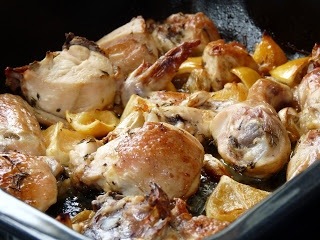
CHICKEN WITH LEMON, BLACK OLIVES & SAFFRON
– 4 whole chicken legs or 6-8 thighs, skin on
– 4 fresh lemons
– 3 large onions, roughly the size of a small orange
– Approx. 20 oil-cured black olives (the Greek kind, with a deep dark black color and slightly wrinkled skin)
– a hefty pinch of saffron
– 1 cup of chicken stock
– 2 cloves of garlic, minced or grated
– Salt & pepper, to taste

Chop onion in half, and then each half cross-wise in half again, slice each onion quarter in small rings. Juice 2 of the lemons and reserve both juice and peels. Quarter 3 lemons (including the juiced ones), and then slice each lemon wedge cross-wise in half again. Slice 1 lemon in pretty round slices, for visual appeal… Wash chicken legs and pat dry, then salt & pepper them liberally.

In a large Dutch oven, sauté the onions in a splash of olive oil until translucent and slightly browned. Add chicken legs skin side down and brown to a crisp. Add reserved lemon juice, all lemon wedges & slices, garlic, olives, chicken stock & saffron, and braise covered over low heat for approx. 60 min, until chicken is “fall-off-the-bone” tender and flavors have developed.
Serve with crusty French bread to sop up the delicious lemony sauce and a crisp, cold Pinot Gris.

Bon appétit!

Flemish Beignets

7 Aug

‘Oliebollen’ or ‘smoutebollen’, Belgium’s answer to American donuts, are firmly planted in youth sentiment for me. They bring back lots of teenage memories, of spending hour upon hour parading up & down the snowy fairgrounds with my friends, often in sub-zero temperatures, in hopes the cute fair hands would notice us and score us a free paper cone of hot beignets or a free ride.

When the weather gets dreary or downright mean, there’s nothing more comforting than to bite into a crispy hot ball of freshly fried dough, dusted with powdered sugar. The sugar instantly melts on the hot surface and forms a crackling coating on the outside of this deep fried dream. I’m telling you now, oliebollen are a ‘must have’ when the temps drop and your nose hairs are starting to congeal.

You can buy yourself some sugary warmth at the many quaint stalls that line the town squares in Holland & Belgium, and waft invitingly through the cold Fall & Winter air. Especially during the times the ‘kermis’ or fair is in town, or the annual Christmas Markets that start showing up in late November, both of which add much needed light & coziness to the short, dark evenings. I mean, just look at it:

20130807-213146.jpg
Doesn’t it look all warm and beckoning?

I figured that if I wanted ‘oliebollen’, I would have to learn to make them at home since Los Angeles is short on this kind of campy quaintness… and who can wait for the county fair to arrive… in July! No. I needed to have access to this greasy happiness in Fall & Winter, when evening temperatures drop well below 65F. Don’t judge.

I’ve probably spent too much time browsing the Internet for the perfect recipe, but the winning recipe came from a former colleague of mine, who was tasked by yours truly with the impossible mission of seducing prying the recipe out of our favorite ‘oliebollen‘ baker from the city fair in Ghent. I completely forgot about these, until I recently found her grease-stained email folded neatly in a cookbook of mine… Enjoy!

20130807-215157.jpg

OLIEBOLLEN
(aka Flemish beignets… per Marktkramer De Kuijper‘s recipe)
– 1.5 oz of good quality unsalted butter
– 10.5 oz of self-rising flour (or pastry flour or all purpose flour, if you can’t find self-rising flour)
– 1 oz of fresh yeast (or 0.5 oz of dry active yeast)
– 8 oz of whole milk
– 1 tsp of natural vanilla extract
– a pinch of salt
– 1.5 eggs (2 whites + 1 yolk)

Make sure to use room-temperature ingredients, and measure everything precisely!

In a large bowl, sift flour. In a small bowl, crumble fresh yeast into milk, and stir until dissolved. Add yeasted milk & vanilla extract to flour, and stir to create a batter.

Melt butter in the microwave on medium power, and add egg yolk and butter to batter. Stir until well combined.

Beat egg whites in a grease-free bowl until stiff peaks form. Gently fold into the batter, and also add a pinch of salt.
The batter should be fairly loose, so if it feels a bit too stiff, add a splash more milk.

Let the batter rest for 20-25 minutes while you fill a large Dutch oven with peanut oil and heat it to 375F. Use a candy thermometer to make sure the oil doesn’t overheat, which causes uneven cooking.

Use an ice cream scoop to drop 2-3 scoops of batter into the hot oil at a time. Cook each side until golden brown. Doughnuts will cook very quickly in the right temperature oil, so check them quickly after you place them in the oil. Flip and cook the other side. Don’t crowd your pot, as this will cause the temperature to drop too rapidly, causing uneven cooking and can potentially cause your pot to overflow, which is dangerous!

Use a spatula to take the beignets out of the oil and let them sit on a paper towel lined plate for a minute or so, to absorb the excess oil. Transfer to a plate in a warm oven while you cook the rest of them.

When done, dust with powdered sugar and prepare to eat more than one!